
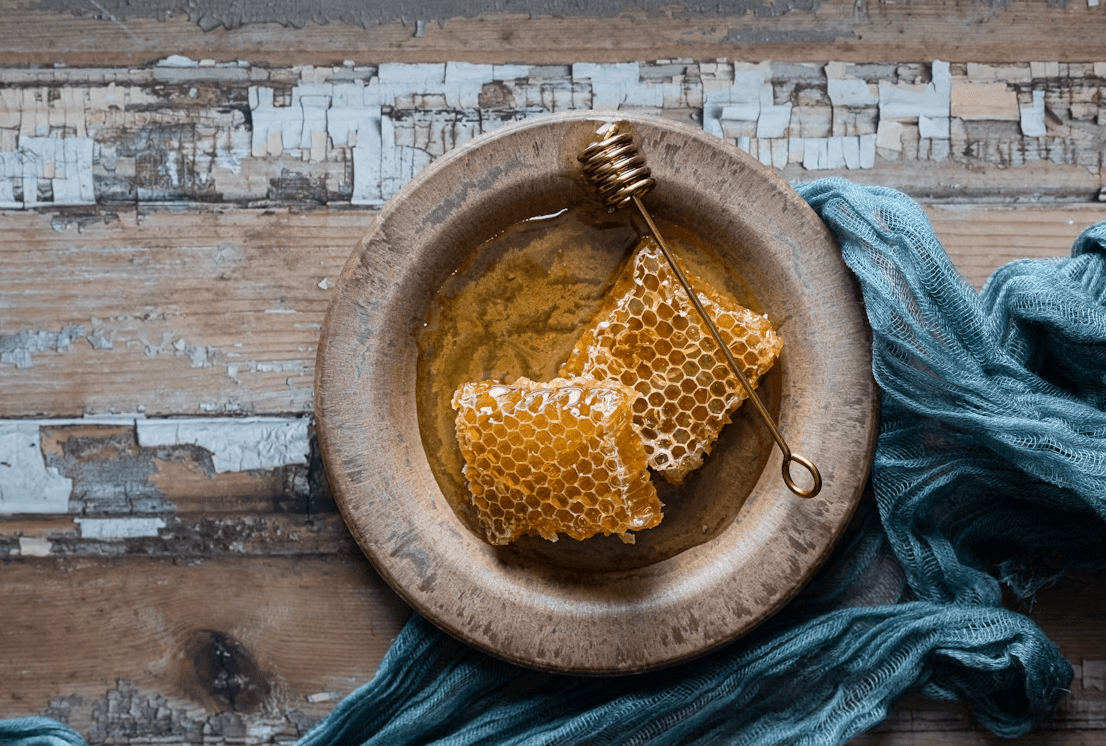
In Georgia, where the tradition of beekeeping spans millennia, the Guria region holds a truly unique place. The perfect combination of the Black Sea's subtropical climate, dense deciduous forests, and the alpine zones of the Bakhmaro mountains creates a unique ecosystem that gives Gurian honey its unparalleled taste profile and medicinal properties.
Endemic Bees and Pristine Nature The main secret behind the success of Gurian beekeeping is the Caucasian mountain grey honey bee (Apis mellifera caucasia). This endemic species is globally renowned for its exceptionally long proboscis, allowing it to extract nectar from deep flowers that remain inaccessible to other bee species. Buzzing through Guria's untouched forests and mountains, the Caucasian bee gathers the most ecologically pure nectar.
The Diversity of Gurian Honey The richness of the natural landscape ensures a wide variety of honey types produced in Guria. While traveling along the Chokhatauri Tourist Trail, you will primarily encounter:
- Chestnut Honey: The true treasure of Gurian forests. It stands out with its dark color, slightly bitter, piquant taste, and rich aroma. Chestnut honey is a powerful natural antibiotic and is incredibly beneficial for the cardiovascular system.
- Linden Honey: A light-colored, transparent honey with an intense aroma, widely regarded as the best natural remedy against colds.
- Alpine and Wildflower (Polyfloral) Honey: Collected in high-mountain villages and along the road to Bakhmaro, this honey blends the nectar of dozens of different medicinal plants.
A Continuing Tradition Historically, beekeeping in Guria developed using ancient methods - hollowed-out tree trunks and traditional log hives (jara). Today, family farms in Chokhatauri combine this centuries-old knowledge with modern, certified standards to deliver a 100% natural, uncompromised product to consumers. Tasting honey here is not just a gastronomic act - it is the best way to truly experience Guria's nature.